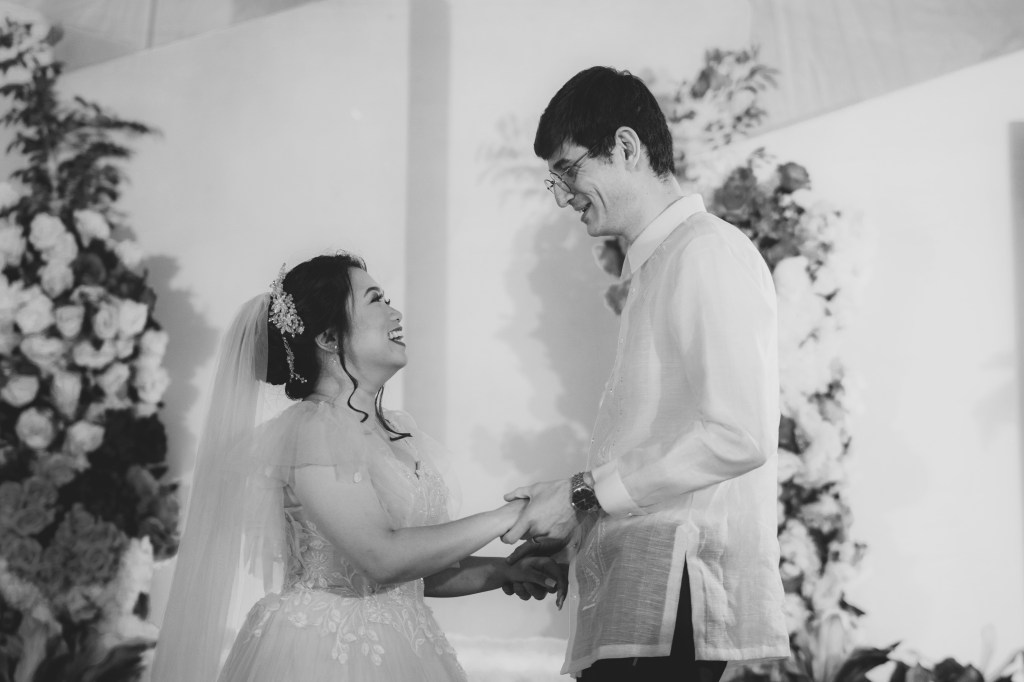
(Disclaimer:The information in this guide is intended for general reference and may not cover specific legal or cultural nuances. Requirements for marriage in the Philippines, especially involving foreign nationals, can vary depending on local government offices and embassy protocols. Please consult with the relevant authorities, such as the local civil registrar and the Turkish Embassy, to ensure all procedures and documents are accurate and up-to-date for your specific situation.)
Planning a wedding is an exciting journey, and marrying someone from another culture makes it even more special!
- 1. Understand the Legal Requirements
- 2. Visit the Local Civil Registry Office
- 3. Choose Your Wedding Venue
- 4. Incorporate Both Cultures
- 5. Secure Post-Wedding Documents
- 6. Plan for Family and Guests
- 7. Budget and Timeline
- 8. Enjoy the Process
- Summary
If you’re a Filipino marrying your Turkish partner in the Philippines, here’s a comprehensive guide to help you navigate the process.
1. Understand the Legal Requirements
To ensure your marriage is legally binding in both the Philippines and Turkey, you’ll need to prepare the necessary documents.
For the Filipino Partner:
- PSA-issued Birth Certificate
- PSA-Certificate of No Marriage (CENOMAR)
- Government-issued ID (e.g., passport or driver’s license)
For the Turkish Partner:
- Valid Passport Certificate of Legal Capacity to Marry. This is issued on the same day of your request by the Turkish Embassy in the Philippines located in the Dasmariñas Village, Makati (please see map below). Make sure to contact them via email, text message or phone call beforehand for an appointment. You can use the Grab app to book a car service or taxi if you are not familiar with the area.
- Birth Certificate (translated into English and authenticated)
- For some local government offices, they also require a PSA cenomar record for your partner to ensure he is not married to any other Filipina in the Philippines. You can get this in the PSA office together with your cenomar and birth certificate. Just provide your partner’s name and details in the same application form you use for your cenomar. You can get them the same day if you process in the morning; and the next day when you process them in the afternoon.
📁Download Certificate of No Record of Marriage (CENOMAR)📁
💡 Pro Tip: Ensure all foreign documents are translated into English or Filipino and authenticated (e.g., through the Turkish Embassy or DFA). Prepare 4-6 photocopies of each document as some local offices don’t provide this extra service.
2. Visit the Local Civil Registry Office
After gathering the documents, submit them to the civil registry office in the city or municipality where you plan to get married. The office will provide a list of additional requirements, such as marriage license application forms.
⏳Timeline: A 10 working day marriage license application posting period is required before you can obtain your license. Oftentimes, because it’s the Philippines (Filipino time talaga kahit government offices mga ante), it’s more than 10 days. This means, your fiancé needs to be around 3 to 4 weeks in the Philippines excluding any holidays from waiting for your marriage license to be posted to getting married. He must to be physically around when applying for marriage license.
⭐ My Personal Experience:
I am from Davao City, and the wait time for the marriage license to be posted there is about 4 weeks or even more than a month! What we did is we applied our marriage license to my other residence in GMA, Cavite. There, we only waited for 10 working days for it to be released.
3. Choose Your Wedding Venue
The Philippines offers stunning wedding venues to suit every taste, whether it’s a beach ceremony, a church wedding, or a civil union.
Church Weddings
For Catholic couples, coordinate with the church for pre-wedding requirements, such as marriage banns, pre-Cana seminars, and the priest’s approval.
If your partner is Muslim, this could be a challenge. Christian churches, especially the Catholic church, require for your partner to undergo the Holy sacraments. In short, they need to be converted first before you will be allowed to marry in the church. They need the baptism, reconciliation and other religious documents as proof of their conversion.
If you are a Christian Filipino man with a Turkish fiancée, this is also a different situation. If you choose a Muslim wedding (Nikah) under Sharia law in the Philippines, the groom may need to convert to Islam. The Shari’ah District Courts in the Philippines handle Muslim marriages, but these are primarily for Filipino Muslims.
In Turkey, however, civil marriage is the only legally recognized form of marriage, and religious conversion is not legally required to marry a Muslim woman. However, cultural and family expectations may still apply.
Civil Ceremonies
Perfect for couples seeking a simple wedding and coming from various religious backgrounds. Coordinate with the city or municipal hall for schedules and officiants.
Destination Weddings
If you’re considering a resort or outdoor venue, check if the location provides wedding packages, including legal assistance.
⭐My Personal Experience
We decided to have three weddings: (1) civil wedding; (2) unconventional; and (3) Turkish wedding when I reached Turkey.

For legalization of our marriage, we first planned out our civil ceremony which was held in GMA, Cavite. We then planned our unconventional wedding for our family and friends in Davao City, where we used one venue for vows and reception. We had one of my friends as the officiant for the vows and another friend to host our reception.
✨ Want to know how we organized our unconvential wedding? Read the details here >>
After a couple of months in Turkey, we had our traditional Turkish wedding without going through nikah memuru or marriage registrar (no need to do it once you reported your marriage to the Turkish embassy), and without the “Evlenme Beyanı” (Marriage Declaration) part. In this way, we were still able to celebrate our union together with my husband’s side of the family and friends.
4. Incorporate Both Cultures
Celebrate your unique bond by blending Filipino and Turkish traditions. Here are some ideas:
Filipino Traditions:
Include elements like the veil, cord, and candle ceremony, or the traditional money dance.
Turkish Customs:
Incorporate takı töreni (a jewelry ceremony) or serve Turkish desserts like baklava alongside Filipino delicacies.
💡 Pro Tip: Discuss cultural elements with your families to ensure everyone feels included.
⭐My Personal Experience
For our wedding in the Philippines, we didn’t follow any pre-marriage Turkish traditions as we lacked the time (we had been flying from Davao to Manila>Cavite for most part).

However, we incorporated some of the Turkish treats and trinkets in our wedding souvenirs.
5. Secure Post-Wedding Documents
After your wedding, register your marriage with the Philippine Statistics Authority (PSA) to obtain your marriage certificate. You don’t need your now husband’s physical presence to complete this part. You can do it on your own. If you plan to move to Turkey, your marriage must also be registered there.
✨ Related post: What to do after marriage: registering your local documents to Turkish embassy and more!
6. Plan for Family and Guests
If your Turkish partner’s family is traveling to the Philippines, help them feel at home by:
- Booking nearby accommodations
- Providing travel tips (e.g., transportation, currency, and local etiquette)
- Arranging a welcome dinner to introduce both families
7. Budget and Timeline
Weddings can get costly, so plan your budget carefully. Here’s a basic breakdown of costs to consider:
- Venue and catering
- Attire (wedding gown, barong/Filipiniana, or suit)
- Decorations and entertainment
- Legal and documentation fees.
8. Enjoy the Process
Wedding planning can be stressful, but it’s also an opportunity to bond with your partner and families. Take time to appreciate the journey as you prepare for your big day!
Planning a wedding with a multicultural touch is a beautiful way to celebrate love and unity. With this guide, you’re well on your way to creating an unforgettable day filled with love, culture, and happiness.
Congratulations on your upcoming wedding!


 Pinay Tales in Turkey
Leave a comment